A police stop or arrest in Minneapolis can trigger injuries, charges, and a paper trail you didn’t create. You may be hurt, detained, or wrongly accused while reports and video start shaping what “happened.” If you wait, body camera footage, squad video, 911 audio, and dispatch logs can be overwritten, and witnesses move on. Meanwhile, injuries get minimized, charges threaten your job, and you may be asked to give a statement before you understand your rights or the full extent of your injuries.
At Madia Law LLC, our Minneapolis police misconduct lawyers protect your record and your recovery. We investigate excessive force, unlawful arrest, illegal searches, and in-custody medical neglect under 42 U.S.C. 1983, then pursue damages with a trial-ready approach.
Call 612-349-2729 for confidential consultation or visit us at IDS Center, 4155, 80 South 8th Street, Minneapolis, MN 55402.
Meet J. Ashwin Madia and Our Trial Team
Police misconduct cases are hard-fought litigation. You need lawyers who can move fast on evidence and build a case for trial.
| J. Ashwin Madia
Trial attorney focused on civil rights. Former U.S. Marine Corps judge advocate. Fellow: ACTL, IATL, ABOTA. |
Zane A. Umsted
Trial and appellate attorney focused on briefing and argument in state and federal courts; supports complex civil rights litigation. |
Tara Jensen
Experienced litigator with deep civil rights advocacy background and federal clerkship experience. |
What Is Police Misconduct in Minneapolis?
Police misconduct is the misuse of police authority that violates a person’s legal or constitutional rights during a stop, arrest, detention, search, or use of force. Some actions may only break department policy, but the most serious cases involve civil rights violations that can support a federal lawsuit, including claims under 42 U.S.C. 1983.
It is not just unfair treatment or poor judgment. It is unlawful conduct that causes real harm and may give you the right to seek compensation.
Minneapolis also has a complaint process through the Office of Police Conduct Review (OPCR). That process is separate from a civil lawsuit for damages. Our Minneapolis police misconduct trial attorney can help you choose the right path and preserve key evidence early.
For a legal consultation with a lawyer serving Minneapolis, call 612-349-2729
What To Do After Police Misconduct in MN
If you’re hurt, shaken, or facing charges, the first 24–72 hours matter. Video can be overwritten, witnesses can disappear, and small mistakes can follow you for months. Start with these steps:
- Get medical care and keep discharge papers, prescriptions, and follow-up notes.
- Write down what happened while it’s fresh (names, badge numbers, squad number, locations).
- Save everything (videos, texts, call logs, photos, social messages, and voicemail).
- Photograph injuries over several days as bruising and swelling change.
- Identify witnesses and save contact info before people disperse.
- Preserve physical evidence (clothing, broken phone, glasses, personal items).
- Avoid recorded statements to investigators or city lawyers without counsel.
- Request preservation of records (body cam, squad video, 911 audio, CAD logs, jail logs).
If you’re unsure what to say or do next, a confidential case evaluation can bring clarity fast.
Personal Injury Lawyer Near Me 612-349-2729
Types of Police Misconduct Cases We Handle
These cases turn on details, what happened, what the records show, and what the video captures. Some involve physical force. Others involve illegal stops, arrests made without probable cause, or misconduct that escalates inside the criminal case. We approach these matters as high-stakes civil rights litigation built on evidence, credibility, and early action to preserve key records.
Excessive Force (Beatings, Tasing, Chemical Spray)
Excessive force claims involve force that was unnecessary or out of proportion to the situation. Examples include punches or blows during a stop, repeated tasing, chemical spray, or force used after a person is already restrained or no longer a threat.
Police Shootings and Wrongful Death
Police shooting cases are urgent and often life-altering. The core question is whether deadly force was legally justified based on what officers reasonably perceived in the moment.
Wrongful Arrest and False Imprisonment
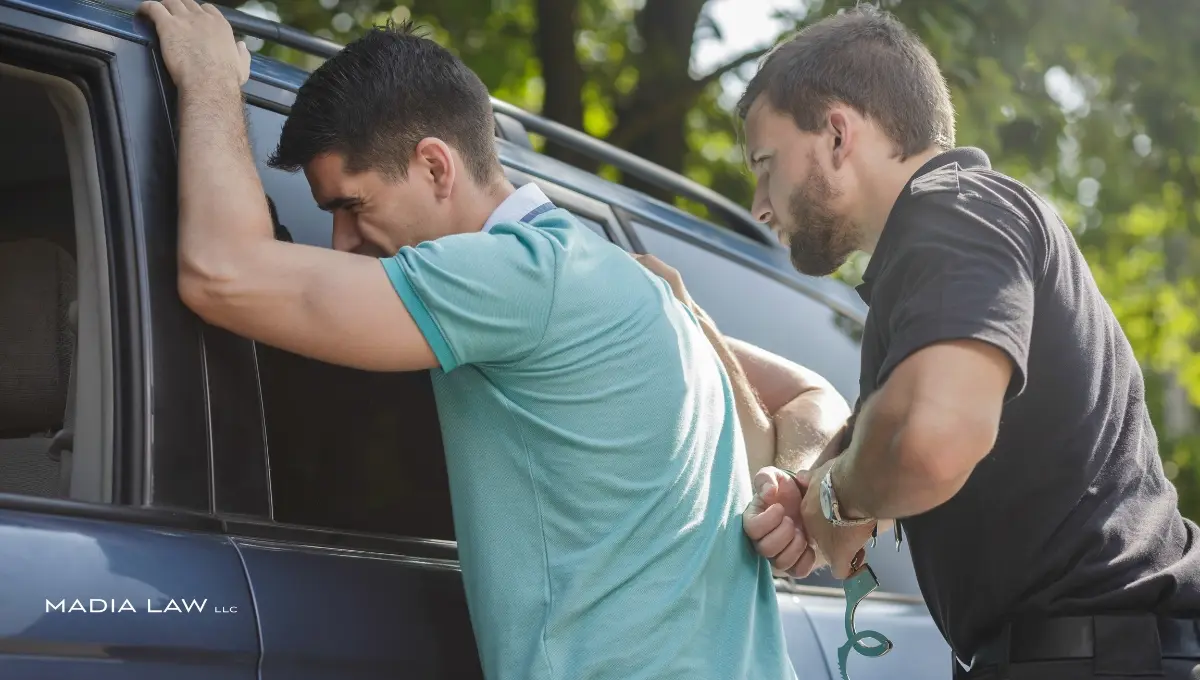
Wrongful arrest claims often involve an arrest without probable cause. False imprisonment claims focus on being held or confined without a lawful basis, even if the case is later dropped or never formally charged.
Malicious Prosecution and Evidence Fabrication
These cases arise when the criminal process is driven by misconduct, such as false reports, fabricated evidence, or charges pursued without a legitimate basis. Even before a case ends, the harm can be severe, including a loss of freedom, damage to reputation, and disruption to work and family life.
Illegal Search and Seizure (Unconstitutional Stops and Searches)
Illegal search and seizure claims can involve vehicle stops without legal grounds, unlawful searches of a person, or home entries that violate constitutional protections. These cases often turn on the stated reason for the stop, what officers claim they observed, and what the reports and video actually show.
Discriminatory Policing and Racial Profiling
Discriminatory policing claims focus on unequal enforcement or harsher treatment based on race or other protected characteristics. This can include repeated stops, selective enforcement, or escalation that would not have happened in a similar situation involving someone else.
In Custody Deaths and Medical Neglect
These are among the most serious cases we handle. They can involve delayed medical care, ignored medical emergencies, unsafe restraint practices, or failures during detention that lead to catastrophic injury or death.
If what happened to you doesn’t fit neatly into one label, that doesn’t mean you’re out of options. Our Minneapolis civil rights trial team can evaluate the facts, identify the strongest legal theory, and move quickly to protect key evidence.
Click to contact our Madia Law Practice Areas today
When Police Shootings Become Unlawful in Minneapolis
A police shooting in Minneapolis can be unlawful when deadly force was not necessary under the circumstances officers actually faced. Minnesota law limits deadly force to narrow situations and applies an objective standard. The focus is on what a reasonable officer would have believed at the time, based on the information available, not what becomes clear later.
In many cases, the legal question turns on one issue. Was there an immediate threat of death or great bodily harm? If the evidence shows the threat was not real, not immediate, or could have been addressed without lethal force, a civil rights claim may be available. These cases often depend on proof such as body-worn camera footage, squad video, 911 audio, dispatch and CAD logs, witness statements, and scene documentation.
If you are unsure where your situation falls, our experienced Minneapolis police misconduct lawyers can review the key records and explain your options.
Complete a Case Evaluation form now
OPCR Complaint vs Civil Rights Lawsuit: What Each Option Does
People often ask whether they should file a complaint or file a lawsuit. The right choice depends on your goal and the facts.
A complaint, such as one submitted to the Office of Police Conduct Review (OPCR), focuses on officer conduct and possible discipline. It can create a record of what you reported, but it does not automatically pay for medical bills, lost income, or other damages.
A civil rights lawsuit focuses on proving a legal violation and recovering compensation. Depending on the evidence and legal theory, it may involve an individual officer and, in some cases, broader claims tied to supervision, training, or policy.
In some situations, both routes can make sense. In others, the wrong first step can create avoidable problems. We can help you choose the safest path and protect the evidence early.
What Our Minneapolis Police Brutality Attorney Does for Your Case
Police misconduct claims are evidence-driven and deadline-driven. The sooner you have counsel, the easier it is to secure video, records, and witnesses, and to prevent the case from being framed against you from the start.
Our Twin Cities police misconduct lawyer helps:
- Preserve critical evidence, including body camera footage, squad video, reports, 911 audio, dispatch/CAD logs, and witness statements.
- Identify the strongest legal claims against the officer and any other responsible parties.
- Document damages, including medical treatment, missed work, emotional distress, and long-term impact.
- Manage communications with investigators, insurers, and defense counsel so you do not get pressured into harmful statements.
- File on time and prepare the case for trial if the defense refuses fair accountability.
What Compensation Is Available in a Minneapolis Police Misconduct Case?
Compensation depends on what happened, how severe the harm is, and what evidence supports the claim. Our Minneapolis excessive force attorney builds damage-proof early, so your claim reflects what you have already lost and what you may need going forward.
You may be able to seek compensation for:
- Medical expenses, including ER care, hospital bills, surgery, therapy, prescriptions, and future treatment.
- Lost wages, missed work, and reduced earning ability if you cannot return to the same job.
- Pain and suffering are tied to physical injury and daily limitations.
- Emotional distress, trauma symptoms, and related mental health treatment.
- Wrongful death damages for surviving family members in fatal cases under Minnesota law.
- Punitive damages are awarded in some cases involving reckless or intentional misconduct.
- Attorney fees and costs in some successful federal civil rights claims (including claims under 42 U.S.C. 1983).
How Long Do You Have To File a Law Enforcement Claim in Minnesota?
There is no single deadline for every police misconduct case. Timing depends on the claim type and who you’re suing.
For some claims against a municipality or municipal employee, Minnesota law requires notice to be presented to the governing body within 180 days after the loss or injury is discovered.
If the case involves a death, Minnesota’s wrongful death statute generally requires filing within three years after the date of death, and within six years after the act or omission in many cases.
Because multiple clocks can apply, early review matters. If you wait, you may lose options, no matter how strong the facts are.
Why Clients Trust Madia Law LLC in Police Misconduct Cases
Police misconduct claims are not routine injury cases. Cities defend them aggressively, qualified immunity can become an early battleground, and the outcome depends on how fast the evidence is secured and how well the case is built for a jury.
- Trial-first preparation: We build cases for a jury from day one to drive real leverage.
- Civil rights focus: We handle police misconduct claims as serious litigation, not paperwork.
- Early evidence preservation: We move fast to secure body cam, squad video, 911 audio, CAD logs, and reports.
- Strong defense strategy: We anticipate qualified immunity and “reasonableness” arguments early.
- Clear client communication: You get practical updates and straight answers about next steps.
- Proven outcomes: Our Minneapolis police assault attorneys have resolved high-stakes custody, shooting, and excessive force matters.
Selected Case Results
| 4.5 Million
Settlement received on behalf of the family of a man who was shot and killed by police officers. |
3.5 Million
Settlement for a family after a man died in jail due to inadequate medical treatment for alcohol withdrawal. |
| 1.5 Million
Resolution reached weeks before trial for the family of a hostage victim who was shot and killed by police. |
525k
Settlement for a client injured by excessive force after being shot in the back while unarmed and retreating. |
Our Minneapolis Employment Law Office
FAQs About Police Misconduct Cases in Minneapolis
What If I Was Detained but Never Charged or Convicted?
You may still have a claim. A detention without a valid legal basis can support civil rights claims, even if no charges follow. Video, reports, and witness statements often matter most.
What Is Qualified Immunity, and Can It Block My Case?
Qualified immunity can shield officers unless they violate clearly established rights. It can block some cases, but not all. The specific facts and how courts have ruled in similar situations usually decide it.
What Is the Average Police Misconduct Settlement in Minnesota?
There is no reliable “average.” Case value depends on injury severity, credibility, video evidence, and how strongly the defense can dispute liability and damages. A fast evaluation of proof often gives the clearest expectations.
Can I Sue the Police Department or Only the Individual Officer?
It depends on the claims and evidence. Suing an individual officer focuses on that officer’s actions. Claims against a department or city often require proof of a policy, training failure, or pattern that caused the violation.
Who Can File a Wrongful Death Claim After a Police Shooting in Minnesota?
A wrongful death case is filed by a court-appointed trustee. The trustee brings the claim for the next of kin, such as a spouse, children, or parents.
How Do Police Misconduct Lawsuits Usually End, Settlement or Trial?
Many cases settle when liability and damages are well-supported. Trials happen when the defense denies wrongdoing or disputes key facts. Settlements are typically faster and private; trials are slower, public, and higher risk.
How Much Does It Cost To Hire a Minneapolis Police Misconduct Lawyer?
Fee structures vary. Many civil rights cases are handled on contingency, meaning no upfront attorney fee. Case costs like experts may be advanced and repaid from any recovery. We can explain costs clearly before you commit.
Contact Us for a Confidential Case Evaluation
When police misconduct occurs, delays can cost you evidence and options. If you suspect excessive force, a wrongful arrest, an illegal search, or in-custody neglect, you deserve a clear plan. We will evaluate the facts, explain your rights, and outline the next steps to protect your claim and pursue accountability.

Ready to take action? Call us at 612-349-2729 or fill out the contact form for a confidential case evaluation with a Minneapolis police misconduct lawyer.
Call 612-349-2729 or complete a Case Evaluation form