Why Hire Our Plymouth Employment Attorney?
 Top 1% of Trial Advocates
Founder J. Ashwin Madia is a Fellow of the American College of Trial Lawyers, the International Academy of Trial Lawyers, and the American Board of Trial Advocates.
 Built on 100+ Trials of Experience
Before founding Madia Law, Ashwin Madia tried more than 100 felony and misdemeanor cases as a U.S. Marine Corps judge advocate.
 Giants Pay. Clients Recover.
Every dollar recovered started with a defendant who knew we were ready to try the case.
 We Take Fewer Cases.
Selective intake means every case gets serious attention. We prepare matters to be tried, not simply filed and forgotten, because giants take prepared trial lawyers seriously.
If you have been mistreated at work, our trusted Plymouth employment lawyer can help you fight back.
Madia Law proudly represents workers in Plymouth, Minnesota, who have faced discrimination, retaliation, harassment, wrongful termination, or wage violations. We don’t represent corporations; we stand solely with employees.
Every worker deserves fairness, respect, and legal protection. Whether you are dealing with a toxic workplace, unfair firing, or unpaid wages, our employment lawyers help Plymouth workers understand their rights and take action under state and federal law.
Madia Law LLC is a trial-focused employment law firm that takes on serious cases with care, precision, and purpose. We’re selective because we fight hard for justice, for accountability, and for the workers who trust us to stand by their side.





Do You Need an Employment Lawyer in Plymouth, MN?
Not every workplace issue calls for legal action, but when your job, reputation, or paycheck is on the line, it’s time to talk to an employment lawyer in Plymouth. Legal help isn’t just for lawsuits; it’s for employees facing serious or repeated mistreatment that crosses the line into illegality.
You should reach out to a lawyer if any of the following apply:
- You were fired or punished after reporting harassment or unsafe conditions.
- HR ignored your discrimination or retaliation complaint.
- You’re missing overtime pay or facing wage deductions.
- You were misclassified as a contractor despite full-time work.
- You were targeted after requesting medical leave or accommodations.
Even if you’re unsure, speaking with a Minnesota employee rights attorney early can help protect your rights and prevent things from getting worse.

Ready To Talk? Contact Madia Law Today
How to Determine If You Have a Valid Employment Case
Work can feel unfair for many reasons, but not all unfair treatment is illegal. To bring a valid employment law claim in Minnesota, you must show that your employer violated a specific law and that it harmed you.
Usually, this means being punished for a protected activity (like reporting misconduct) or treated differently because of a protected trait (like gender, race, or disability).
Here’s a simple comparison:
| Valid Employment Case | Just Unfair (Not Illegal) |
|---|---|
| Fired after reporting workplace fraud | Fired for clashing with a supervisor |
| Unpaid for legally earned overtime | Given inconvenient or unpopular shifts |
| Sexually harassed by a manager | Dealt with a tough or unkind boss |
| Retaliated against after filing an HR complaint | Felt excluded or unappreciated at work |
While having emails, texts, or records helps, it’s not required to speak with a lawyer. We can help you determine whether what happened crosses the legal line and explain what you can do next.
Contact Madia Law To Discuss Your Case.
What Does an Employment Lawyer Actually Do?
Employment lawyers do more than file lawsuits; they play a hands-on role at every stage of your workplace legal dispute. From building your case through investigation to filing administrative complaints, negotiating settlements, and representing you in court, an employment lawyer is your advocate for fairness, protection, and recovery.
Builds Cases Through Legal Investigation
A strong case starts with strong evidence. An employment lawyer carefully investigates your workplace situation to determine whether your employer violated the law and how to prove it.
This process often includes:
- Reviewing emails, texts, HR reports, and employment contracts.
- Interviewing witnesses who saw or experienced the behavior.
- Analyzing company policies to see if they match the law.
- Gathering workplace discrimination evidence, such as patterns of mistreatment.
- Evaluating timelines and documentation to establish a legal violation.
Solid preparation helps your case stand up in negotiations or court.
Files Claims With EEOC, State Agencies, or Civil Courts
Where your claim is filed depends on what type of employment law was violated. Your attorney will identify the best venue, prepare all filings, and ensure deadlines are met.
| Forum | Claim Type | Filing Deadline |
|---|---|---|
| EEOC (Equal Employment Opportunity Commission) | Federal discrimination, retaliation (Title VII) | 300 daysMinnesota Department of Human Rights (MDHR) |
| Minnesota Department of Human Rights (MDHR) | State discrimination, harassment, and retaliation | 1 year |
| Civil Court (State or Federal) | Wage theft, wrongful termination, whistleblower, and contract disputes | Typically 2 years for wage claims (3 years if willful), and up to 6 years for whistleblower or certain contract claims. |
Each path has different procedures and requirements, and an employment lawyer helps you navigate them with clarity and precision.
Negotiates Pre-Trial Settlements When Justified
Not every case goes to trial. In many situations, resolving your claim through a fair settlement saves time, stress, and cost.
Your attorney may:
- Draft and send a formal demand letter to your employer.
- Engage in direct negotiation or mediation.
- Evaluate the strength of your evidence and damages.
- Advise whether settlement or trial is in your best interest.
- Ensure your agreement protects your future rights.
Employment settlement negotiation is strategic and must be based on both the law and the facts of your situation.
Litigates Employment Cases at Trial
When employers refuse to settle or deny wrongdoing, we’re ready to take your case to court. A trial is a powerful tool, especially for serious violations like wrongful termination, wage theft, or workplace harassment.
At trial, your employment lawyer:
- Prepares legal arguments and submits evidence to the court.
- Presents your case before a judge or jury.
- Cross-examines witnesses and challenges employer testimony.
- Seeks compensation for lost wages, emotional distress, and more.
- Protects your rights throughout the process.
Suing your employer in court is never easy, but with the right trial team, it can lead to justice and accountability.
Not Sure Where To Start? Contact Us
Types of Employment Law Cases We Handle at Madia Law LLC
At our employment law firm, we focus exclusively on representing employees in a wide range of workplace legal disputes. Every case type we handle is grounded in federal and Minnesota employment laws, with its own unique legal standards, deadlines, and strategies. Whether you’re dealing with discrimination, retaliation, or wage violations, our approach is thorough, personalized, and trial-ready.
Wrongful Termination
Wrongful termination occurs when an employee is fired in violation of state or federal law. In Minnesota, most employment is “at-will,” meaning employers can terminate workers without cause, but not for illegal reasons like discrimination, retaliation, or whistleblowing.
You may have a wrongful termination claim if you were fired for:
- Reporting illegal activity or workplace fraud.
- Taking qualified medical or family leave.
- Refusing to participate in unlawful conduct.
- Disclosing a disability or requesting accommodations.
- Complaining about discrimination, harassment, or wage theft.
Not every firing is unlawful. But if your termination followed a protected action or targeted a protected trait, it’s time to consult a wrongful termination lawyer.

Workplace Discrimination
Discrimination at work is illegal when it’s based on a protected characteristic under federal or Minnesota law. This includes race, color, gender, age (40+ under federal ADEA; broader age protection under Minnesota law), disability, religion, sexual orientation, gender identity, national origin, and more.
Discrimination is typically proven through:
- Direct evidence (e.g., emails, slurs, explicit statements).
- Patterns (e.g., only men get promoted, women are fired while pregnant).
- Pretext (the employer’s reason doesn’t add up or hides the real motive).
If you’ve been denied promotions, treated unfairly, or terminated because of who you are, a workplace discrimination lawyer can help you take legal action.
Sexual Harassment
Sexual harassment at work is illegal when it creates a hostile environment or involves an abuse of power. There are two main types recognized under the law:
- Quid pro quo: A manager or person in power makes job benefits (promotion, hours, protection from discipline) conditional on sexual favors.
- Hostile work environment: Ongoing sexual jokes, comments, gestures, or unwanted advances make the workplace intimidating or abusive.
Evidence that can support your claim includes:
- Texts, emails, or inappropriate messages.
- HR reports or formal complaints.
- Witness statements or observed incidents.
- Patterns of similar conduct against others.
If you’re experiencing or witnessing sexual harassment at work, it’s important to talk with an attorney early.
Wage and Overtime Violations
Employees in Minnesota are protected by both federal (FLSA) and state wage laws. Unfortunately, many employers violate these rules, often without workers realizing their rights are being ignored.
Common wage and hour violations include:
- Unpaid overtime after 40 hours in a workweek.
- Being classified as a contractor instead of an employee.
- Late or missing paychecks.
- Denied required rest or meal breaks under Minnesota law (and for shifts after Jan. 1, 2026, at least a 15-minute rest break within each four hours; meal-break requirements also tighten).
- Deductions for uniforms, equipment, or training.
If you suspect you’re not being paid fairly, a wage theft attorney can help you recover what you’re owed and hold your employer accountable.

Retaliation and Whistleblower Cases
It’s illegal for an employer to punish you for engaging in a “protected activity,” such as reporting discrimination, harassment, unsafe work conditions, or wage violations.
Retaliation might look like:
- Being demoted after speaking up about harassment.
- Losing hours after complaining about missing pay.
- Getting written up for minor issues after filing a report.
- Termination after refusing to participate in unlawful practices.
These actions are not just wrong; they’re illegal under the Minnesota Whistleblower Act (Minn. Stat. § 181.932). If you’ve been retaliated against, speak to a workplace retaliation lawyer to explore your options.
Unfair Treatment
Some workplace experiences feel wrong, but not all are legally actionable. Employment law only covers conduct that violates specific laws, not all bad behavior.
Here’s a quick comparison to help clarify:
| Illegal Treatment | Just Unfair (But Not Illegal) |
|---|---|
| Fired after reporting discrimination | Fired after a disagreement with your boss |
| Harassed due to race or gender | Treated rudely by coworkers |
| Denied pay for hours worked | MPassed over for a promotion without feedback |
| Demoted for taking protected medical leave | Assigned difficult tasks |
| Sexually harassed by a supervisor | Criticized harshly during reviews |
If you’re unsure whether your employer’s conduct crosses a legal line, an employment lawyer can help you figure out your next move.
Contact Madia Law Before You Decide Anything
What Can You Recover in an Employment Lawsuit?
When your rights are violated at work, you may be entitled to more than lost wages. Depending on your case, compensation can include back pay, emotional distress, future earnings, legal costs, and, if the employer acted maliciously, punitive damages.
Back Pay and Lost Wages
Back pay includes the wages, overtime, commissions, and bonuses you would have earned if your employer hadn’t acted illegally. Courts calculate this from the date of the wrongful action (like termination) to the date of judgment or settlement.
Example:
If you earned $60,000 per year and were out of work for 9 months, your back pay could total $45,000, not including lost benefits or interest.
Back pay is one of the most common forms of recovery in wrongful termination and wage theft cases.
Front Pay or Reinstatement
When returning to your old job isn’t possible, due to hostility, ongoing retaliation, or the passage of time, courts may award front pay to cover your expected future lost earnings.
Comparison:
- Reinstatement: You get your job back (ideal but not always realistic).
- Front Pay: You receive financial compensation for the time it may take to find a comparable position.
This amount depends on your salary, how long it’s expected to take you to find a new job, and your unique situation.
Emotional Distress and Mental Anguish
If your employer’s actions caused you significant stress, anxiety, or emotional harm, you may be entitled to compensation for emotional distress. This is often awarded in cases involving harassment, retaliation, or discrimination.
Courts may consider:
- Therapy or mental health treatment records.
- Witness testimony (coworkers, family, medical providers).
- Documentation of mental health diagnoses or impact on daily life.
These damages help account for the real toll workplace mistreatment can take on your mental and emotional well-being.
Punitive Damages (If Applicable)
Punitive damages are awarded not to compensate the employee, but to punish the employer for willful, malicious, or egregious conduct. These are rare and typically reserved for extreme cases.
Example:
An employer who repeatedly harassed an employee, ignored HR complaints, and then retaliated by firing them may face punitive damages on top of other compensation.
Courts use punitive damages to send a strong message that certain behavior will not be tolerated under Minnesota or federal law.
Attorney’s Fees and Legal Costs
In many employment law cases, the law allows the prevailing employee to recover reasonable attorney’s fees and court costs from the employer. This is especially important for workers who may not be able to afford legal services upfront.
This fee-shifting rule ensures that employees can access justice and that employers can’t simply outspend their way out of accountability.
What Employment Laws Protect Workers in Minnesota?
Minnesota workers are protected by both state and federal employment laws. These laws cover discrimination, wages, leave, and retaliation, ensuring fair treatment in the workplace.
Minnesota State Employment Laws
- Minnesota Human Rights Act (MHRA): Prohibits discrimination, harassment, and retaliation based on protected traits such as race, color, creed, religion, sex, age, disability, national origin, sexual orientation, gender identity, marital status, and more.
(Minn. Stat. § 363A) - Minnesota Fair Labor Standards Act (MFLSA): Sets state minimum wage and overtime standards, prohibits unlawful pay deductions, and includes Minnesota’s 2019 wage-theft protections.
(Minn. Stat. § 177 et seq.) - Minnesota Equal Pay for Equal Work Law: Requires equal pay for men and women performing comparable work under similar conditions.
(Minn. Stat. §§ 181.66 – 181.71) - Minnesota Whistleblower Act: Protects employees who report, oppose, or refuse to participate in unlawful activity from retaliation.
(Minn. Stat. § 181.932) - Minnesota Parental Leave Law: Grants up to 12 weeks of unpaid, job-protected leave for the birth or adoption of a child.
(Minn. Stat. §§ 181.941 – 181.9414) - Minnesota Paid Family and Medical Leave Program (“Paid Leave MN”): Launching January 1, 2026, this program will provide wage replacement for qualifying family or medical leave.
(2023 Session Law HF 2)
Federal Employment Laws
- Title VII of the Civil Rights Act of 1964: Prohibits workplace discrimination based on race, color, religion, sex, or national origin.
- Americans with Disabilities Act (ADA): Protects workers with disabilities and requires reasonable accommodations.
- Family and Medical Leave Act (FMLA): Provides up to 12 weeks of unpaid, job-protected leave for eligible employees.
- Fair Labor Standards Act (FLSA): Sets federal minimum wage, overtime pay, and record-keeping rules.
- Age Discrimination in Employment Act (ADEA): Protects employees aged 40 and older from age-based discrimination.
What Is the Statute of Limitations for Employment Claims?
| Claim Type | Deadline | Where to File |
|---|---|---|
| Discrimination / Harassment | 300 days (EEOC) or 1 year (MDHR) | Equal Employment Opportunity Commission (EEOC) or Minnesota Department of Human Rights (MDHR)Wage Violations (Unpaid Wages, Overtime, Deductions) |
| Wage Violations (Unpaid Wages, Overtime, Deductions) | 2 years (3 years if the violation was willful). | Minnesota Department of Labor and Industry (DLI) or Minnesota District Court |
| Retaliation / Whistleblower | 6 years | Minnesota District Court |
| FMLA / Leave-Related Claims | 2 years (standard) – 3 years for willful violations | U.S. Department of Labor or Federal Court |
| Contract Disputes / Severance Issues | Up to 6 years | Minnesota District Court |
Some retaliation related to discrimination may still fall under the shorter MDHR or EEOC deadlines.
Deadlines vary by case. A delay can cost you your claim; consult an employment attorney in Plymouth, MN, early to protect your rights.
What’s the Difference Between a Labor Lawyer and an Employment Lawyer?
Labor lawyers handle union-related issues like collective bargaining and strikes. Employment lawyers represent individual workers in disputes like discrimination, wrongful termination, wage theft, and harassment.
We only practice employment law, helping workers in Plymouth fight back against illegal treatment.
Quick Overview:
| Labor Lawyer | Employment Lawyer |
|---|---|
| Union-focused | Employee-focused |
| Handles NLRA | Handles FMLA, FLSA, Title VII |
| Represents unions/employers | Represents individuals |
How to Hire an Employment Lawyer in Plymouth
Choosing the right lawyer can shape your entire case. Look for someone who:
- Only represents employees.
- Has experience with employment law.
- Is ready to go to trial if needed.
- Communicates clearly.
- Offers honest case evaluations.
Watch Out for:
- Lawyers who represent employers.
- Promises of big payouts.
- Pressure to sign quickly.
A good employment lawyer listens, explains your rights, and gives you a clear path forward.

What to Expect If You Sue Your Employer
Filing a legal claim against your employer can feel overwhelming, but the process follows a clear and confidential path. From your first intake call to a possible courtroom trial, each stage is designed to evaluate, protect, and pursue your rights. Below is what the journey typically looks like for employees in Plymouth, MN.
Initial Intake
The first step is reaching out. This conversation is private and focused on understanding your situation; no legal proof is required to begin.
What to bring or share:
- A brief summary of what happened.
- Any relevant emails, texts, or documents.
- Your employment timeline (start/end dates).
- Pay stubs or job agreements (if available).
- Notes about who was involved or witnessed the issue.
This is your opportunity to tell your story in a safe and supportive space.
Case Review & Qualification
After intake, our attorneys evaluate your case to see if it meets legal criteria and if we’re the right fit. Not every case qualifies for legal action, and we’re upfront about that.
We assess:
- Whether your rights were violated.
- The strength of the available evidence.
- Filing deadlines (statutes of limitations).
- The potential value of your claim.
You’ll get an honest answer about whether moving forward makes sense.
Filing the Claim
Once your case qualifies, we file the formal legal claim on your behalf. The filing forum depends on your case type.
| Claim Type | Filed With |
|---|---|
| Discrimination/Harassment | EEOC or Minnesota Department of Human Rights (MDHR) |
| Wage & Hour Violations | Minnesota Department of Labor and Industry (DLI) |
| Retaliation / Whistleblower | Minnesota District Court. |
We handle all the paperwork, deadlines, and legal filings, so you don’t have to.
Negotiation or Litigation
After filing, your case may settle, or it may head to court. We’ll guide you every step of the way.
Possible outcomes include:
- Private settlement negotiations.
- Mediation with the employer.
- Continued case investigation.
- Trial in front of a judge or jury.
If the employer refuses to resolve the issue fairly, we’re ready to litigate with the full force of our legal team behind you.
Why Choose Madia Law LLC for Your Employment Case
At Madia Law LLC, we don’t represent employers, only employees. That’s been our focus since day one, and it’s what guides every decision we make. We take on serious workplace cases, and we do it with clarity, honesty, and strategic precision.
Here’s what sets us apart from other employment law firms in Plymouth:
- Employee-Only Focus: We never represent businesses or corporations, only workers.
- Trial-Tested Experience: We’re experienced courtroom advocates, not just negotiators. If your case goes to trial, we’re prepared to win.
- Selective Case Intake: We only take cases we believe in, so every client gets personal attention and strong legal investment.
- Results-Driven Representation: Our team has secured meaningful outcomes in high-stakes discrimination, retaliation, and wage theft cases.
- Clear Communication: You’ll always know where your case stands, no legal jargon, no surprises.
If you’re looking for a trusted Plymouth employment attorney to help protect your rights, we’re ready to stand by you.
FAQs: Employee Rights and Legal Claims in Plymouth
Can I Sue My Employer Without Getting Fired?
Yes, you can sue your employer without getting fired. In fact, retaliation for filing a legal claim is illegal under both Minnesota and federal employment laws. If retaliation occurs, it may be added to your case.
Does Signing a Severance Agreement Waive my Legal Rights?
Yes, signing a severance agreement can waive your legal rights. To protect your rights before signing, have the agreement reviewed by an employment attorney. Some waivers are legally enforceable even if you didn’t fully understand them.
Do I Have to Confront My Employer Before Filing a Claim?
No, you do not have to confront your employer before filing a claim. To file a claim, you can go directly to the EEOC or court. However, documenting your concerns internally can sometimes strengthen your case.
Is My Employer Allowed to ask me not to Talk About the Case?
It depends. Employers can ask for confidentiality in limited situations, but they cannot prevent you from reporting discrimination or wage violations to a government agency. Gag orders that silence legal rights are not enforceable.
How Long do Employment Cases Take to Resolve?
It varies. Most employment cases resolve within 6 to 18 months, depending on whether they settle early or go to trial. Complex claims, especially those involving litigation, may take longer based on court schedules and evidence.
Cities Near Plymouth We Also Serve
At Madia Law, we represent employees across the Twin Cities metro; no need to live in Plymouth or visit our Minneapolis office to receive dedicated legal support. If you’re dealing with workplace discrimination, retaliation, or wage violations, we can help, wherever you are in the region.
We serve workers in:


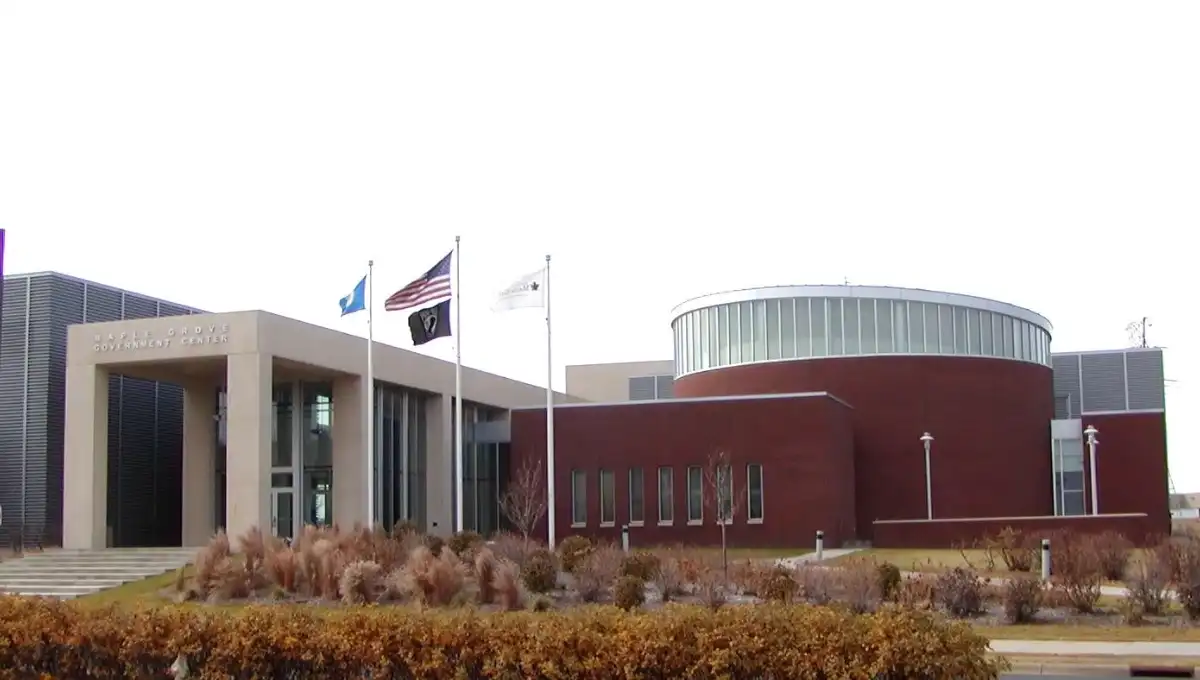


If you’re searching for an employment lawyer near me in or around Plymouth, MN, our team is ready to stand by your side.
Speak to an Experienced Plymouth Employment Lawyer
If you believe your rights have been violated at work, don’t wait. Employment law claims in Minnesota are time-sensitive; the sooner you act, the stronger your case can be.
We represent only employees, never employers. Our team takes on serious cases of discrimination, retaliation, harassment, and wage violations with care and precision. Every inquiry is handled with confidentiality and respect.

Here’s how to get started:
- Call us directly at (612) 349-2729.
- Submit your details through our secure online form.
- Email our office to schedule your flat-fee case review.
You don’t have to face this alone. Let’s talk through what happened and what your options are.
You Don't Have To Face This Alone. Call 612-349-2729.